- Blog
- Inside the Modern Customer Journey: Call, Message & Book
Inside the Modern Customer Journey: Call, Message & Book
Not long ago, the customer journey was relatively simple. A person might see an advertisement, visit a store or make a phone call to enquire about a service.
Today, the journey looks very different. Customers interact with businesses across multiple channels before deciding. They might search online, read reviews, send a message, and call to confirm details before booking.
The modern journey is multi-channel
Today’s customers rarely rely on a single way to contact a business. Instead, they move between different channels depending on convenience.
A typical journey might look like this; a customer may search online for a service, visit a website or Google Business profile, send a message or enquiry form, call the business for quick answers and then book an appointment.
Each step plays a role in building trust and helping the customer make a decision. However, if any part of the process breaks down, the customer may simply move on to another provider.
Why responsiveness matters at every stage
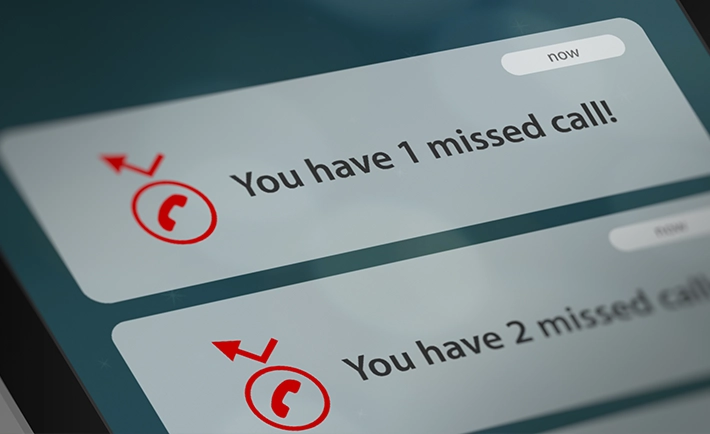
Customers expect businesses to respond quickly regardless of how they make contact. For example, if someone sends a message and waits hours for a response, or calls and no one answers, the experience becomes frustrating. This is one of the biggest challenges for small businesses.
While teams can often be busy serving customers in person, meaning enquiries can easily be missed.
The strategy: Capture every enquiry
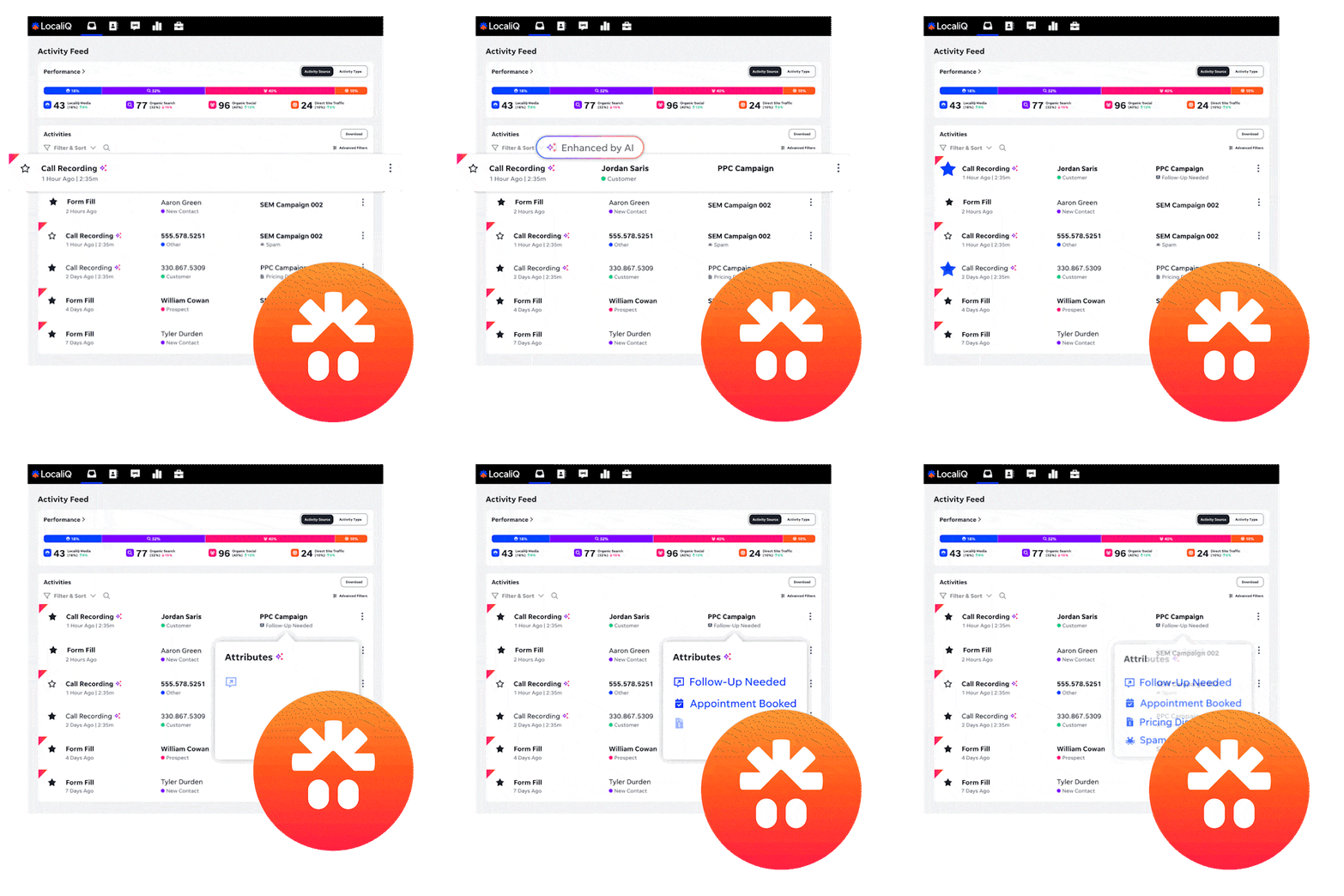
To support the modern customer journey, businesses need systems that capture and organise enquiries across different channels. This includes phone calls, website forms, messaging platforms and online bookings. When these enquiries are centralised, businesses can respond faster and ensure no opportunity is overlooked.
The role of automation
Automation plays an important role in managing modern customer interactions. Instead of relying on manual processes, businesses can use tools that automatically capture incoming enquiries, record and summarise calls, organise leads and schedule follow-ups. These systems reduce the risk of leads slipping through the cracks.
AI is reshaping customer interactions
Artificial intelligence is no longer a buzz word and is increasingly becoming part of the customer journey. AI tools can answer calls, respond to questions and guide customers toward booking a service.
For example, AI voice agents can speak with callers, capture their details and book appointments automatically. This ensures businesses can respond instantly, even outside business hours.
From enquiry to booking
The ultimate goal of the customer journey is simple: turning enquiries into bookings. Businesses that make this process smooth and responsive are far more likely to win the customer.
When someone calls, messages or submits an enquiry, the response should be quick and helpful. Small improvements in response time can also significantly increase the chances of conversion.
Making the journey easier for customers
The modern customer journey is faster and more connected than ever. Businesses that understand how customers interact across channels will be better positioned to capture opportunities and grow.
By combining clear processes, responsive communication and tools like AI voice agents and automated lead management, businesses can ensure every enquiry has the chance to become a customer.